


Jan
Dressing With Clarity Instead of Effort
Knowing how to look presentable isn’t about dressing formally or following rules. It’s about choosing clothes that feel appropriate, intentional, and calm in everyday situations. Most people aren’t trying to impress — they just want to feel comfortable showing up as they are, without second-guessing what they’re wearing. Presentable clothing quietly supports that feeling instead of demanding attention.
How to Look Presentable Starts With Fit, Not Fashion
One of the easiest ways to understand how to look presentable is to focus on fit before anything else. Clothes that skim the body properly tend to look neater regardless of style, trend, or price point. A simple shirt that fits your shoulders and sits cleanly at the waist will always appear more put together than something expensive but awkwardly shaped.
Presentability often comes down to how little adjustment your clothes need during the day. If you’re constantly tugging, smoothing, or rethinking an outfit, it usually shows. Well-fitting clothes create ease, and ease reads as confidence.
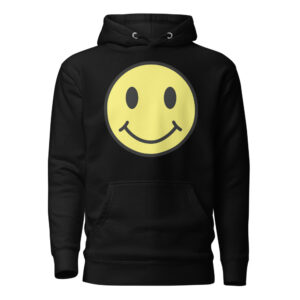
Hoodies
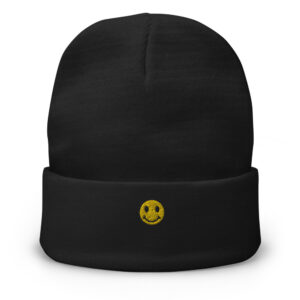
Beanies
Choosing Neutral Pieces That Always Read as Intentional
Learning how to look presentable consistently means leaning into neutral colors and uncomplicated pieces. This doesn’t mean dressing blandly. It means choosing tones and shapes that don’t distract or clash when worn together. Soft blacks, greys, navy, beige, olive, and muted whites tend to work across many settings without feeling dull.
Neutral clothing gives you room to move between situations without changing outfits. A simple jacket, clean trousers, or structured knit often feels appropriate in places where trend-driven pieces might feel out of place.
How to Look Presentable Without Feeling Overdressed
Many people struggle with how to look presentable because they associate it with being overdressed. In reality, presentable clothing sits in the middle — neither casual to the point of sloppiness nor formal enough to feel stiff.
Think of clothes that wouldn’t feel strange at a café, a casual meeting, or an unplanned errand. Shoes that are clean and well-made, layers that hold their shape, and fabrics that don’t wrinkle instantly all help an outfit feel balanced rather than forced.
Hoodies
Beanies
Why Clean, Simple Details Matter More Than Trends
Trends can complicate presentability because they often rely on context. Clean details, on the other hand, translate almost everywhere. Clothes that are freshly washed, pressed when needed, and free of visible wear signal care without effort.
Understanding how to look presentable also means knowing when to stop adding. Too many accessories, loud graphics, or competing textures can make an outfit feel busy. Simplicity allows the person wearing the clothes to remain the focus.
How to Look Presentable in Everyday, Unplanned Moments
Presentability matters most in the moments you didn’t prepare for. Running into someone unexpectedly or stepping into a space you didn’t anticipate shouldn’t cause panic. Building a wardrobe of reliable basics makes these moments easier to handle.
When most of your clothes work well together, you don’t need a special outfit to feel ready. That’s often the real goal behind learning how to look presentable — removing friction from daily life rather than chasing a polished image.
Hoodies
Beanies
Presentable Is About Feeling Settled, Not Seen
At its core, presentability isn’t about other people’s opinions. It’s about feeling settled in your own skin when you step out the door. Clothes that support your day instead of interrupting it allow you to move through the world with less noise and more confidence. When what you’re wearing feels right, you don’t think about it — and that quiet assurance is often what people notice most.
