


Dec
Dressing for Everyday Reality
Practical daily fashion reflects a growing preference for clothing that supports real routines rather than imagined lifestyles. People are dressing for days that involve movement, unpredictability, and multiple settings rather than isolated moments. This shift is subtle but consistent, driven by a desire to feel comfortable, capable, and put together without unnecessary effort or compromise.
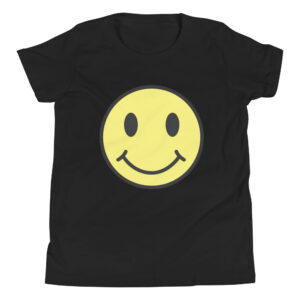

Hoodies

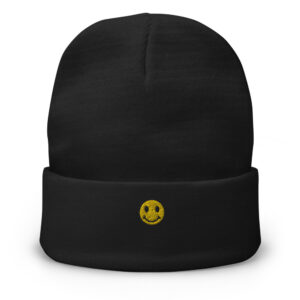
Beanies
Why Practical Daily Fashion Feels Timely Now
Practical daily fashion has gained momentum as daily life has become less structured and more fluid. Work, social time, errands, and personal routines now overlap in ways they didn’t before, making rigid outfit categories feel outdated. Clothing that works across these overlaps feels more valuable, reducing the need for constant outfit changes or wardrobe excess.
Comfort as the Starting Point, Not the Reward
In practical daily fashion, comfort is no longer something earned after sacrificing style. It’s the baseline expectation. Breathable fabrics, flexible cuts, and thoughtful construction allow clothing to adapt to long hours and varied movement. This foundation makes style feel sustainable rather than performative, supporting the body instead of restricting it.
Hoodies
Beanies
Practical Daily Fashion and Smarter Wardrobe Building
Practical daily fashion encourages more deliberate wardrobe choices. Instead of accumulating trend-led pieces, people are selecting items that earn repeat wear. Trousers that transition easily between settings, tops that layer without bulk, and shoes that support walking all day become core staples rather than afterthoughts. This approach naturally leads to fewer but better-used garments.
How Practical Style Supports Personal Identity
Choosing practical clothing doesn’t erase personality. It often clarifies it. When trends take a back seat, individual preferences become more visible through colour palettes, silhouettes, and texture choices. Practical daily fashion allows people to dress in ways that align with how they live, creating a sense of consistency that feels more authentic than constant reinvention.
Hoodies
Beanies
Practical Daily Fashion Versus Fast Trend Cycles
Fast-moving trends rely on novelty and visual impact, while practical daily fashion prioritises longevity and ease. When clothing is expected to perform well over time, fleeting trends lose relevance. People still notice trends, but they filter them through function, adopting only what fits comfortably into daily life rather than chasing what’s momentarily popular.
Movement Shaping Everyday Clothing Choices
Modern routines involve more walking, commuting, and spontaneous activity, and clothing has adapted accordingly. Practical daily fashion favours garments that move with the body and maintain their shape throughout the day. Heavy fabrics, restrictive cuts, or pieces that crease easily struggle to compete with clothing designed for consistent wear and motion.
Hoodies
Beanies
The Role of Versatility in Daily Outfits
Versatility has become a defining feature of modern wardrobes. Practical daily fashion values pieces that work across seasons, locations, and social contexts. Clothing that can be styled up or down without effort reduces decision fatigue and supports a more relaxed relationship with getting dressed. The emphasis is on reliability rather than variety.
Why This Shift Feels Quiet but Lasting
Unlike past fashion movements, this change isn’t marked by dramatic silhouettes or bold statements. Practical daily fashion evolves gradually, driven by lived experience rather than marketing cycles. Small improvements in comfort, durability, and adaptability make the biggest impact, shaping wardrobes in ways that feel intuitive rather than forced.
Hoodies
Beanies
Where Practical Style Continues to Lead
As lifestyles continue to prioritise flexibility and balance, practical daily fashion is likely to remain central to how people dress. Clothing that supports daily movement, feels good to wear, and fits naturally into varied routines offers lasting value. This approach proves that style doesn’t need excess to feel confident, only intention.
