


Jan
How Clothing Shapes Immediate Judgement
Clothing and first impressions are formed in moments, often before a person has spoken or even consciously registered by the observer. What someone wears operates as an instant visual signal, communicating awareness, intention, and social understanding. These judgements are rarely fair or accurate, but they are persistent. Clothing fills in narrative gaps, giving others a framework for interpreting behaviour, confidence, and credibility before personality or competence can be demonstrated.
Clothing and First Impressions in Everyday Interactions
In everyday encounters, clothing and first impressions quietly influence how interactions begin. When an outfit aligns with its setting, people tend to respond with ease and openness. This alignment is often read as social fluency, even if the clothing itself is understated. When clothing feels out of place, it can introduce hesitation or distance before conversation has a chance to develop, shaping the tone of the interaction from the outset.
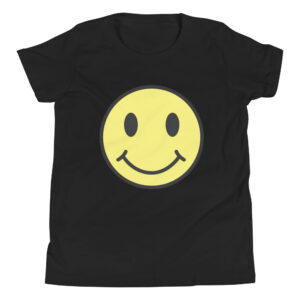
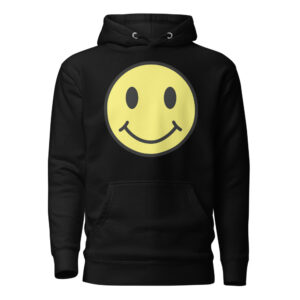
Hoodies
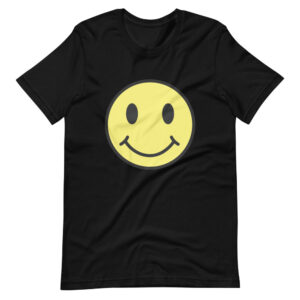
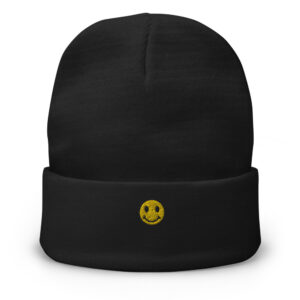
Beanies
Clothing and First Impressions at Work and Public Life
In professional and public-facing situations, clothing and first impressions often carry lasting consequences. Outfits are frequently interpreted as signals of preparedness, reliability, and authority long before skills are visible. This doesn’t require rigid formality, but it does reward clarity. Clothing that looks intentional suggests readiness, while inconsistent presentation can quietly undermine trust, regardless of experience, qualifications, or expertise.
Why Appearance Carries Psychological Weight
The strength of first impressions comes from how the brain processes visual information. Clothing offers immediate cues through colour, fit, fabric, and structure, allowing people to categorise others quickly. These mental shortcuts are efficient, not deliberate acts of judgement, but they influence how behaviour is later interpreted. Once an impression is formed, new information is often filtered through it, reinforcing early assumptions even when evidence shifts.
Hoodies
Beanies
When Clothing Is Used to Challenge Expectations
Clothing can also be used strategically to disrupt expectations. Outfits that deviate from norms may signal creativity, independence, or confidence when they appear deliberate. However, this approach depends on coherence. Without intention, unexpected clothing choices can confuse rather than communicate. When people sense control behind a look, they are more likely to interpret it as expressive instead of careless, even when it breaks convention.
The Long Shadow of Early Impressions
First impressions have a tendency to linger. Early perceptions influence how people interpret later actions, often shaping expectations around behaviour, competence, and intent. Clothing plays a key role in establishing this initial frame. While impressions can change over time, they rarely disappear completely, which is why early visual cues continue to affect interactions long after the first meeting has passed.
Hoodies
Beanies
Why Clothing and First Impressions Continue to Matter
Clothing and first impressions remain influential because they shape access, trust, and ease of interaction in subtle but persistent ways. Awareness of this reality doesn’t require chasing trends or performing for approval. It simply allows people to make choices with intention rather than leaving perception to chance. When clothing supports how someone wishes to be understood, attention naturally shifts away from appearance and toward presence, conversation, and genuine connection.
